Table of Contents
Lemon Pudding Cake: A Delightful Dessert
There’s something about lemon desserts that feels like flipping on the lights in your kitchen. The scent of fresh zest hits the air and suddenly everything feels cleaner, brighter, and more hopeful, even if it’s the middle of winter or you’re just tired after a long day. This Lemon Pudding Cake: A Delightful Dessert is exactly that kind of mood-lifter, warm from the oven, golden on top, and hiding a glossy lemon pudding underneath.
This is one of those “how did this happen?” recipes in the best way. You pour in what looks like a thin batter, slide it into the oven, and somehow it bakes into two distinct layers: a soft, airy lemon cake on top and a spoonable, tangy lemon sauce on the bottom. It’s the dessert equivalent of finding extra frosting in the middle of a cupcake.
If you’ve ever wanted a dessert that tastes like sunshine but still counts as comfort food, this is it. It’s sweet, but not heavy, and the lemon keeps every bite tasting fresh and lively. Serve it warm with a dusting of powdered sugar, maybe a scoop of vanilla ice cream, and it feels like the kind of dessert you’d get at a cozy little café.
Why You’ll Love This Recipe
This lemon pudding cake is a repeat-maker because it hits texture, flavor, and simplicity all at once.
- Two layers in one bake: fluffy cake + creamy lemon pudding sauce.
- Bright, fresh lemon flavor from real zest and juice.
- Feels elegant for guests but is simple enough for a weeknight dessert.
- Bakes in a water bath, which helps keep the texture moist and custardy.
- Perfect if you love citrus desserts, pudding cakes, or cozy spoonable comfort food.

Ingredients
These are classic lemon pudding cake ingredients, and the fresh lemon is what makes the flavor pop. Many versions use separated eggs and a water bath to get that airy top and creamy pudding bottom.
Step-by-Step Instructions
This method leans on two key techniques: whipped egg whites for lift and a water bath for the right pudding-cake texture.
Preheat and prep the pan.
Preheat the oven to about 350°F and grease ramekins (or a baking dish), then place them in a larger roasting pan for the water bath.
Tip: Setting up the water bath first keeps everything calm once the batter is ready.
Whisk the yolk mixture.
Whisk egg yolks with milk, melted butter, lemon juice, lemon zest, and salt until smooth, then whisk in flour and most of the sugar.
Tip: Room-temperature milk blends more smoothly, which helps the pudding layer bake evenly.
Whip the egg whites.
Beat egg whites until foamy and thickened, then gradually add the remaining sugar and beat until you have glossy, airy peaks.
Tip: Clean, grease-free bowl and beaters help whites whip properly.
Fold, don’t stir.
Gently fold the whipped whites into the lemon batter until mostly combined and airy.
Tip: Over-mixing knocks out the air and the cake layer won’t rise as nicely.
Fill and add the water bath.
Divide batter into ramekins, then carefully pour hot water into the larger pan around them, about halfway up the sides.
Tip: The water bath creates a moist, gentle environment that’s important for the correct pudding-cake texture.
Bake just until set.
Bake until tops are puffy and lightly browned and the edges look set, but the bottom still has a pudding feel.
Tip: Overbaking can cook the pudding layer too much, so start checking around the early side of the bake window.
Tips for Success
These small details help the cake stay fluffy and the pudding layer stay silky.
- Use fresh lemon zest and juice for the brightest flavor.
- Don’t skip the water bath if you want the classic soft pudding bottom.
- Fold whipped whites gently to keep the batter airy.
- Watch bake time closely because the pudding layer can over-set if baked too long.
- Serve warm for the most “saucy” pudding-cake experience.
Variations & Substitutions
Lemon pudding cake is flexible, as long as you keep the basic technique.
- Meyer lemon version: Use Meyer lemons for a softer, slightly floral citrus profile.
- Individual ramekins vs one dish: Ramekins give a prettier presentation, but a single baking dish version is also common.
- Extra tang: Add a touch more zest for a bolder lemon aroma.
- Serve it “lemon pie style”: Pair with whipped cream or vanilla ice cream to mimic lemon meringue pie vibes.
What to Serve With It
The sweet-tart flavor pairs best with creamy, mellow sides.
- Vanilla ice cream for a classic hot-and-cold contrast.
- Lightly sweetened whipped cream to soften the lemon tang.
- Fresh berries for color and a fruity, brunchy feel.
- Hot tea or coffee for a cozy dessert moment.
Storage & Reheating
Lemon pudding cake is best fresh and warm because the pudding layer is at its silkiest right after baking. Leftovers can be covered and refrigerated, then gently warmed so the pudding loosens again. Reheat carefully because overheating can push it from custardy to more firmly set.

Nutrition Facts
Nutrition varies by portion size and ingredients, but lemon pudding cake typically includes eggs, milk, sugar, and butter, making it a richer dessert rather than a low-sugar or keto option. It can fit a vegetarian diet, and it’s naturally nut-free unless served with nut toppings.
| Nutrition (approx. per serving) | Amount |
|---|---|
| Calories | ~260 |
| Protein | ~6 g |
| Carbs | ~40 g |
| Fat | ~9 g |
| Fiber | ~0.5 g |
| Sugar | ~30 g |
| Sodium | ~120 mg |
Common Mistakes to Avoid
These are the slip-ups that usually affect the layers and texture.
- Skipping the water bath, which can lead to a drier, less custardy texture.
- Overbaking, which can cook away the pudding layer.
- Stirring instead of folding the egg whites, which deflates the batter.
- Using bottled lemon juice, which can taste flat compared to fresh.
FAQ
These are the questions people typically have when they want that perfect cake-on-top, pudding-on-bottom result.
Why does lemon pudding cake separate into layers?
The batter and baking method allow it to set into two textures, with a cake-like layer on top and a pudding-like layer below as it bakes.
Do I really need a water bath?
Many tested recipes use a water bath because it creates gentle, moist heat that helps the dessert bake with the intended texture.
Can I bake it in one pan instead of ramekins?
Yes, some versions bake in a single casserole or pie dish, though bake time can change.
Can I make it ahead of time?
It’s best warm and fresh, but it can be baked earlier and gently rewarmed for serving.
How do I know when it’s done?
The top should be puffed and lightly browned and the edges set, while the bottom remains pudding-like, so checking early helps avoid overbaking.
Can I use Meyer lemons?
Yes, Meyer lemon pudding cake is a popular variation and tends to be slightly sweeter and less sharp.
Conclusion
Bake this Lemon Pudding Cake: A Delightful Dessert when you want something bright, cozy, and a little magical with that warm pudding sauce waiting underneath. Share it with friends, or keep it simple and enjoy it straight from the ramekin with powdered sugar and a scoop of vanilla ice cream. If you loved this, try another Flaky Fish Puttanesca .
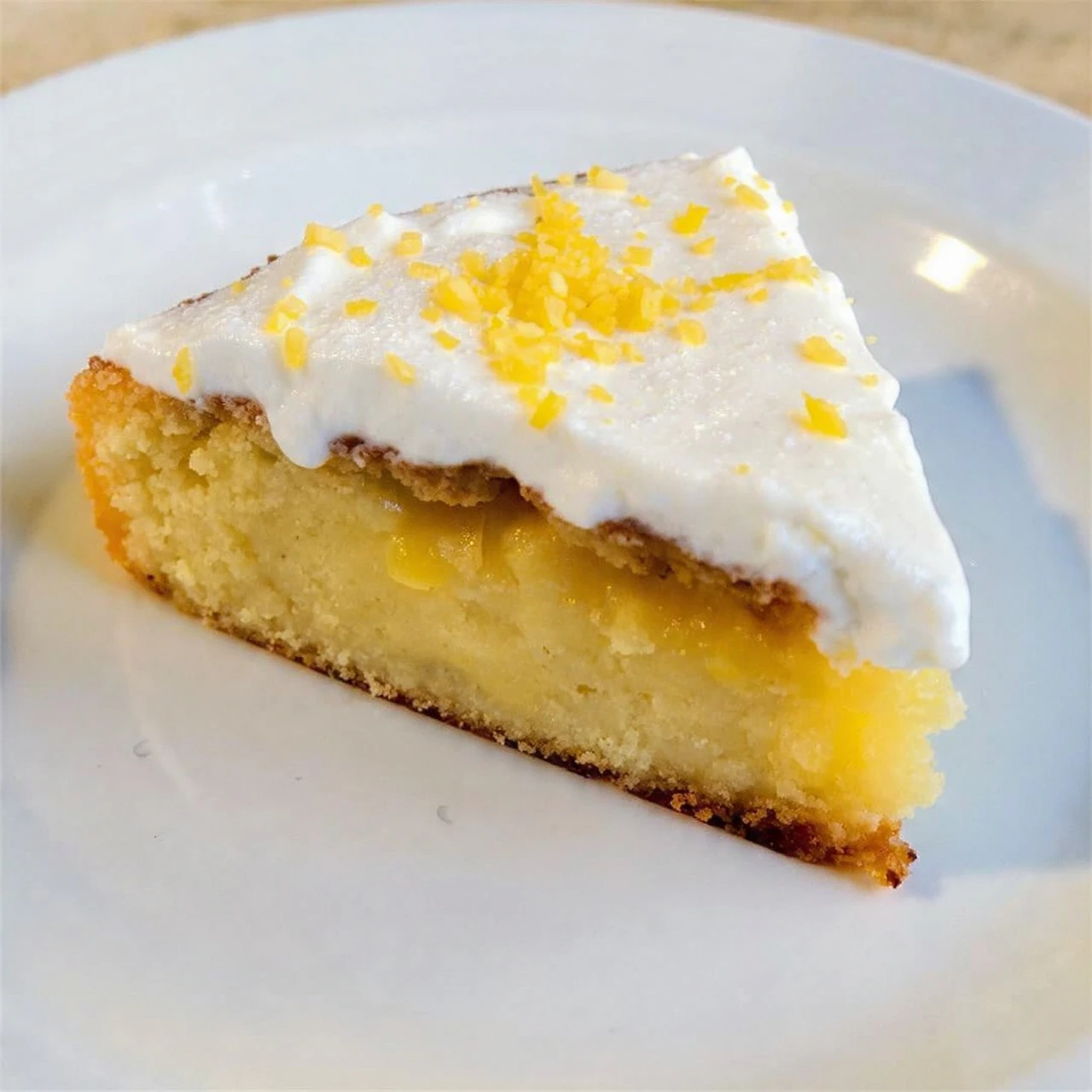
Lemon Pudding Cake
A harmonious blend of tangy lemon flavor, velvety texture, and a hint of sweetness in a dual-layered dessert that captures the essence of summer in every bite.
Ingredients
- 1 cup all-purpose flour
- 1 cup sugar
- 2 tablespoons aromatic lemon zest
- 1/2 cup fresh lemon juice
- 4 eggs, separated
- 1/2 cup butter, melted
Directions
-
Preheat the oven to 350°F and grease a baking dish.
-
In a bowl, whisk together flour, sugar, and lemon zest.
-
Beat egg yolks with lemon juice and melted butter, then combine with dry ingredients.
-
In a separate bowl, beat egg whites until stiff peaks form.
-
Gently fold egg whites into the batter until combined.
-
Pour the batter into the prepared dish and bake for 40-45 minutes.
-
Serve warm and enjoy the delightful contrast of flavors and textures.