
Table of Contents
Brown Sugar Glazed Ham with Honey Orange Glaze
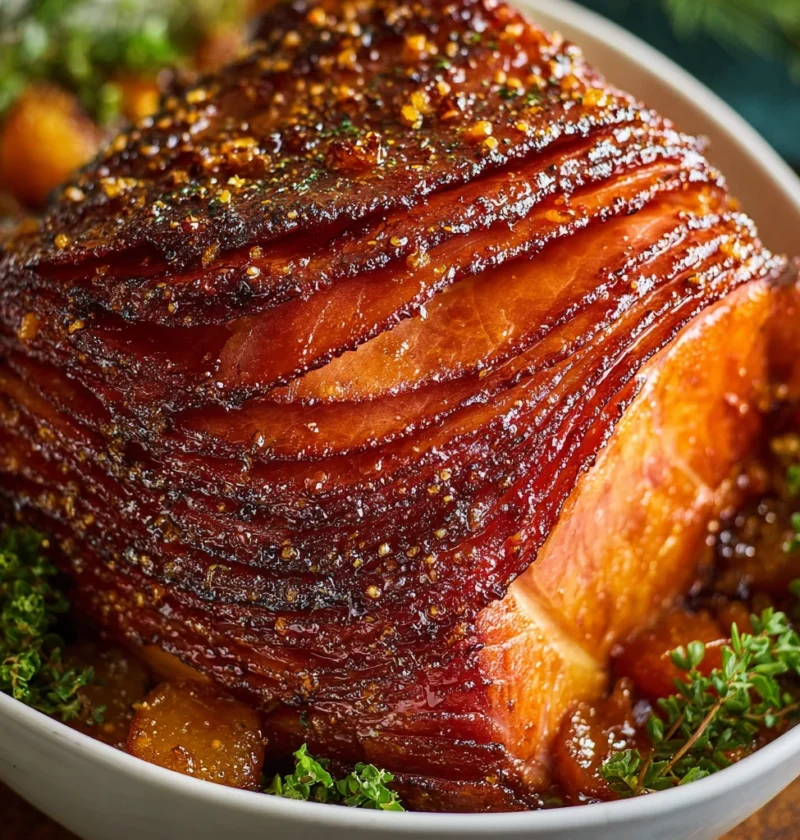
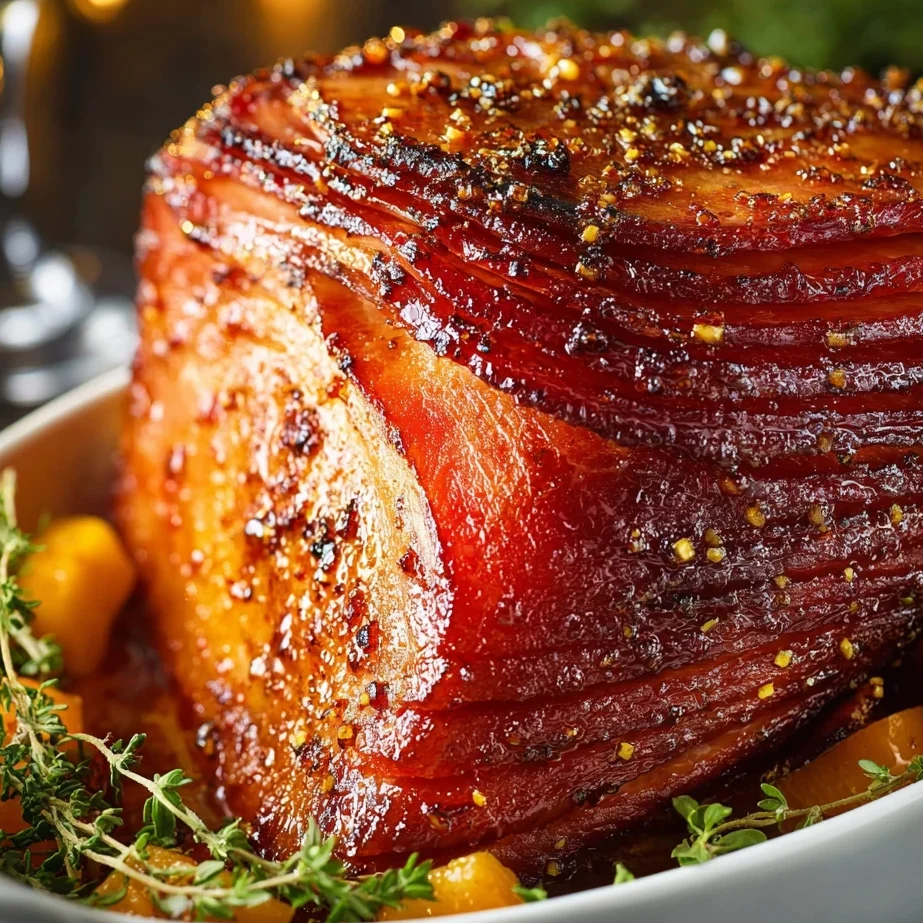
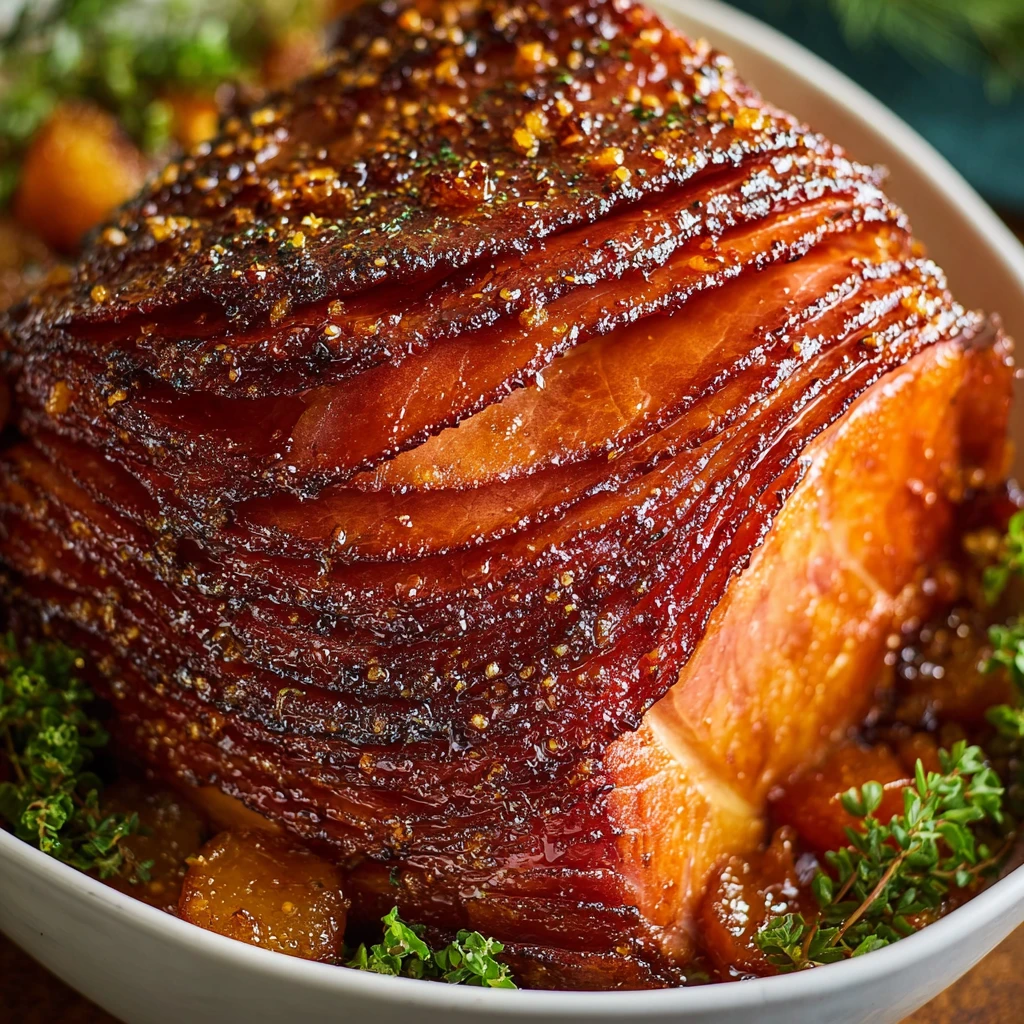
This is the ham that makes your whole house smell like the holidays. This brown sugar glazed ham with honey orange glaze is everything a celebration centerpiece should be — deeply caramelized on the outside, impossibly juicy on the inside, and lacquered in a sticky, glossy glaze that hits sweet, tangy, warm, and savory all at once. Set it on the table and watch every conversation stop.
This recipe is for anyone who wants a showstopping holiday main dish without a complicated, all-day process. The glaze itself comes together in 5 minutes on the stovetop — brown sugar, honey, fresh orange juice and zest, Dijon mustard, cinnamon, and a whisper of cloves — and it transforms a fully cooked spiral ham into something that looks and tastes like it belongs on a magazine cover. Whether you’re hosting Easter, Thanksgiving, Christmas, or any Sunday that deserves something special, this is the recipe that earns the standing ovation. One basting session at the start, one halfway through, one final caramelizing blast at the end — and the ham does the rest.
Why You’ll Love This Recipe
- Only 5 minutes of active glaze prep — the oven handles everything else
- 6-ingredient glaze — everything is already in your pantry or one quick grocery run
- Feeds 10–14 people — the ultimate holiday centerpiece that stretches beautifully
- Three-baste method — builds layer after layer of sticky, caramelized glaze depth
- Dijon mustard secret weapon — cuts through the sweetness and adds a savory complexity most glazes completely miss
- Works on any ham — spiral-sliced, bone-in, or boneless; whole or half
- Leftovers are arguably better — sandwiches, soups, and breakfast hashes the next day are pure gold
Ingredients
The Ham
- 1 bone-in fully cooked spiral-sliced ham, 8–10 lbs (3.6–4.5 kg) — pre-cooked and spiral-sliced is the gold standard for holiday hams; the slices let the glaze seep between every layer for maximum flavor penetration
- ½ cup (120 ml) water — for the bottom of the roasting pan to create steam and keep the ham moist during the long bake
Honey Orange Brown Sugar Glaze
- 1 cup (220 g) light brown sugar, packed — dark brown sugar works and adds a deeper molasses note; use it for an even richer, more intense glaze
- ½ cup (170 g) raw honey — use a good-quality honey; its floral notes shine through the final glaze
- ½ cup (120 ml) fresh orange juice (about 2 large oranges) — fresh only; bottled OJ lacks the brightness that makes this glaze sing
- Zest of 1 large orange — this single ingredient elevates the glaze from sweet to genuinely complex
- 3 tbsp (45 ml) Dijon mustard — the savory counterbalance that keeps the glaze from being cloying; don’t skip it
- ½ cup (170 g) orange marmalade — adds texture, bitterness, and an extra hit of concentrated orange flavor
- 1 tsp (5 ml) ground cinnamon
- ½ tsp (2.5 ml) ground cloves — optional but deeply traditional; use a light hand
- ¼ tsp (1.25 ml) ground ginger
Garnish (for serving platter)
- Fresh orange slices and halves
- Fresh rosemary and thyme sprigs
- Whole cloves for scoring pattern (optional)
Step-by-Step Instructions
Take the ham out of the fridge. Remove the ham from the refrigerator 1 full hour before baking. A cold ham straight from the fridge will bake unevenly — the outside overcooks while the center struggles to reach temperature. Room-temperature meat bakes evenly all the way through for a consistently juicy result.
Preheat your oven to 325°F (165°C). Lower and slower is the rule with holiday hams — high heat tightens the proteins and squeezes moisture out. 325°F gently warms the already-cooked ham while giving the glaze time to caramelize layer by layer rather than burn. [PRO TIP: Place the oven rack in the lowest third of the oven so the base of the ham gets gentle, even heat without the top browning too fast before the center warms through.]
Prepare the ham in the roasting pan. Place the ham cut-side down in a large roasting pan. If you’re using a non-spiral ham, score the surface in a 1-inch diamond crosshatch pattern cutting about ½ inch deep — this allows the glaze to penetrate the meat rather than just sitting on top. Pour ½ cup of water into the bottom of the pan. Cover the entire ham tightly with heavy-duty aluminum foil, crimping the edges firmly to trap steam inside.
First bake — covered. Bake covered at 325°F, calculating 12–15 minutes per pound. For a 10 lb ham, this is approximately 2 to 2½ hours. The foil traps steam that keeps the ham from drying out during the long bake. Don’t rush this phase — it’s where the interior moisture is preserved.
Make the glaze. About 45 minutes before the ham is done, prepare the glaze. Combine the brown sugar, honey, orange juice, orange zest, orange marmalade, Dijon mustard, cinnamon, cloves, and ginger in a small saucepan over medium heat. Whisk to combine and bring to a simmer, stirring frequently, for 3–4 minutes until the sugar fully dissolves and the glaze thickens slightly. It should coat the back of a spoon and look glossy and deeply amber. Remove from heat and set aside. [PRO TIP: Don’t reduce the glaze too aggressively on the stove — it will continue to thicken and caramelize in the oven. A glaze that’s too thick before baking scorches on the surface before it penetrates the ham.]
First glaze application. Remove the ham from the oven and carefully peel back the foil. Spoon or brush approximately one-third of the glaze generously over the entire surface of the ham, working it between the spiral-sliced layers. The glaze will hiss and steam on the hot ham — that’s the sugar beginning to caramelize immediately. Leave the foil off for the rest of the baking time.
Second bake and second glaze. Return the uncovered ham to the oven and bake for 20 minutes. Remove, baste with another third of the glaze, and return to the oven for another 20 minutes. By now the surface should be turning amber and sticky, with caramelized edges starting to form. The kitchen should smell absolutely incredible.
Final glaze and caramelizing blast. Brush the remaining glaze over the ham in a final, generous layer. Return to the oven uncovered for a final 15–20 minutes until the surface is deeply caramelized, lacquered, and sticky. For dramatic caramelization on the edges, switch the oven to BROIL for the final 2–3 minutes — watch closely and don’t walk away; glaze goes from perfect to burnt in under 60 seconds. [PRO TIP: Use the broil step only if the ham has already reached temperature — never use broil to speed up an undercooked ham, only to finish the glaze on an already-hot one.]
Check temperature and rest. The internal temperature should read 140°F (60°C) at the thickest part, away from the bone. Transfer the ham to a cutting board or serving platter and rest for 15–20 minutes before slicing. Resting allows the juices to redistribute so every slice stays moist and glistening rather than dry.
Garnish and present. Arrange fresh orange slices, halved oranges, and sprigs of rosemary and thyme around the base of the ham on the serving platter. The color contrast of the caramelized amber ham against the bright orange garnish makes for an absolutely showstopping presentation. Spoon any drippings from the roasting pan over the ham just before serving.
Macros & Nutrition Table
Per serving (approximately 4 oz / 113 g of spiral ham with glaze — based on 12 servings from a 10 lb bone-in ham):
| Nutrient | Amount |
|---|---|
| Calories | 365 kcal |
| Protein | 28 g |
| Total Carbs | 32 g |
| Net Carbs | 32 g |
| Fat | 12 g |
| Fiber | 0 g |
| Sugar | 30 g |
Note: Macros calculated using USDA FoodData Central data for fully cooked bone-in spiral ham and the glaze ingredients at the quantities listed, divided across 12 servings. Values are estimates — actual calorie count varies significantly based on how much fat you trim, how much glaze each slice absorbs, and the ham brand’s sodium and fat content. Sodium in cured ham is naturally high (approximately 900–1100 mg per serving).
Expert Tips & Variations
3 Tips for a Flawless Holiday Ham
The foil is not optional. Baking a large ham uncovered from the start is the single most common cause of dry, stringy holiday ham. The foil creates a humid, steaming environment that keeps the meat moist throughout the 2+ hour bake. Only remove it when it’s time to glaze — the last 45 minutes uncovered is exactly the right window for the glaze to caramelize without drying the interior.
Baste between the spiral slices. The whole point of buying a spiral-sliced ham is the surface area — dozens of pre-cut layers just waiting to absorb glaze. Use a pastry brush and actively work the glaze down into the gaps between slices on every basting round. The layers that drink in the most glaze are the ones that caramelize into the most irresistible bites.
Use a meat thermometer, not a timer. Ham sizes vary wildly and oven temperatures are never perfectly calibrated. The only reliable measure of doneness is an internal temperature of 140°F (60°C) at the thickest point, away from the bone. A thermometer costs $10 and eliminates all guesswork permanently — it’s the best single investment you can make for holiday cooking.
3 Recipe Variations
- Bourbon-spiked glaze: Add 3 tablespoons of good bourbon to the glaze along with the other ingredients. The alcohol cooks off during reduction, leaving behind a deep, oaky warmth that pairs spectacularly with the orange and brown sugar. A showstopper for adult holiday tables.
- Pineapple-brown sugar glaze: Swap the orange juice and marmalade for equal amounts of pineapple juice and crushed pineapple. A Hawaiian-inspired glaze with tropical sweetness that works beautifully with a boneless ham for casual gatherings.
- Smaller ham steak version: Use the same glaze scaled down (¼ cup brown sugar, 2 tbsp honey, 2 tbsp orange juice, 1 tbsp Dijon) for 2–4 ham steaks. Cook in a skillet over medium heat for 3–4 minutes per side, brushing glaze on each turn, for a 15-minute weeknight version of this recipe.
Storage & Reheating
Store leftover ham tightly wrapped in foil or in an airtight container in the fridge for up to 5 days. Freeze sliced ham in zip-lock bags with some pan drippings for up to 2 months — the drippings prevent freezer burn and keep the meat moist. To reheat, arrange slices in a baking dish, add a splash of orange juice or chicken broth to the bottom, cover tightly with foil, and warm at 325°F for 15–20 minutes. The glaze will reactivate and the slices will taste almost freshly baked.
FAQ
Q: Should I use a bone-in or boneless ham for this glaze recipe?
A: Bone-in hams are overwhelmingly preferred for holiday presentations — the bone adds flavor during baking, the visual is dramatic and impressive, and the meat stays juicier throughout the long bake. Boneless hams are easier to slice evenly and more practical for large crowds or buffet-style serving. Both work perfectly with this glaze; the choice is purely about presentation and convenience.
Q: How long do I bake a glazed ham per pound?
A: For a fully cooked bone-in spiral ham, calculate 12–15 minutes per pound at 325°F (165°C), covered in foil for the first stage. A 10 lb ham takes approximately 2 to 2½ hours covered, plus 45 minutes uncovered for glazing. Always confirm with a meat thermometer — you’re looking for 140°F (60°C) at the thickest point, not just going by time alone.
Q: Can I make the honey orange glaze ahead of time?
A: Yes — the glaze keeps in an airtight jar in the fridge for up to 2 weeks. When ready to use, reheat gently in a saucepan over low heat, stirring until it loosens back to a pourable, brushable consistency. The flavors actually deepen after a day in the fridge, making ahead-of-time prep a genuine advantage for holiday cooking.
Q: Why add Dijon mustard to a sweet ham glaze?
A: Dijon mustard is the savory counterweight that keeps the glaze from tasting like candy. Its sharpness and subtle heat cut through the sweetness of the brown sugar and honey, creating a complex, layered flavor profile that makes the glaze genuinely interesting rather than just sugary. You won’t taste “mustard” in the finished glaze — you’ll just notice that everything tastes more balanced and deeply flavored.
Q: How do I stop my ham glaze from burning?
A: Three strategies: keep the oven at 325°F (never higher during the glaze phase), only apply glaze in the final 45 minutes of baking rather than from the start, and watch closely if you use the broiler — pull the ham the moment you see the surface darken and start to bubble aggressively. If your glaze starts to char on the edges, loosely tent that area with a small piece of foil while leaving the rest exposed.
Conclusion
Brown sugar glazed ham with honey orange glaze is the centerpiece every holiday table deserves — caramelized, glossy, packed with layered flavor, and genuinely effortless once you understand the three-baste method. It feeds a crowd, photographs beautifully, and fills your home with a smell that feels like celebration itself.
Make this for your next gathering and drop a comment below telling me whether you added bourbon to the glaze . I want to know if you went for it! Save this to your Pinterest boards so every holiday meal is already planned.
Brown Sugar Glazed Ham with Honey Orange Glaze
Experience the delightful blend of sweet and savory flavors in this Brown Sugar Glazed Ham with Honey Orange Glaze. A show-stopping centerpiece that promises to impress guests and bring joy to any dining table.
Ingredients
- 1 bone-in ham (8-10 lbs)
- 1 cup brown sugar
- 1/2 cup honey
- 2 oranges (juice and zest)
- Whole cloves
- 2 tbsp Dijon mustard
- 1 tsp ground cinnamon
Directions
-
Preheat the oven to 325°F and line a large roasting pan with foil.
-
Score the surface of the ham in a diamond pattern and stud with whole cloves.
-
In a bowl, mix brown sugar, honey, mustard, cinnamon, orange zest, and juice to create the glaze.
-
Brush the ham generously with the glaze, ensuring it seeps into the scores and covers the surface.
-
Cover the ham with foil and bake for 1 hour, then uncover and baste with the pan juices every 20 minutes for an additional 1-1.5 hours.
-
Once the ham is caramelized and glazed, remove from the oven and let it rest before slicing and serving.